Paul R Williams
Paul R. Williams (1894–1980)
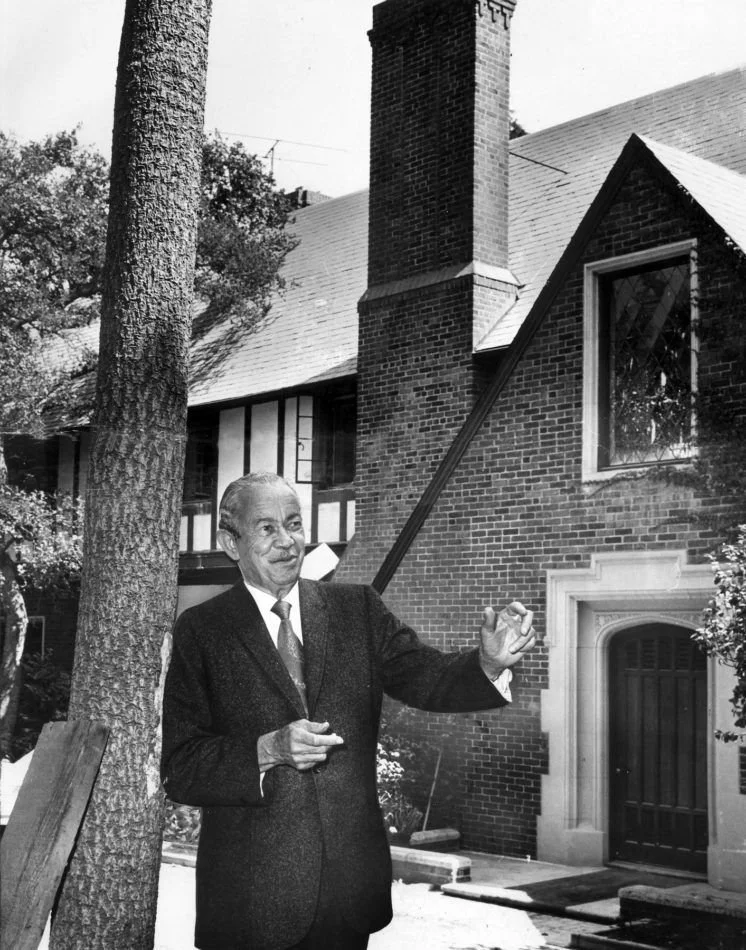
Paul R. Williams was a pioneering American architect whose remarkable career spanned more than five decades and produced nearly 3,000 buildings across the United States. Born in Los Angeles in 1894 and orphaned at a young age, Williams was raised by foster parents who encouraged his artistic talents despite widespread skepticism that a Black man could succeed in a profession that served a predominantly white clientele. Undeterred, he earned his architectural license in 1921, becoming the first African American member of the American Institute of Architects (AIA).
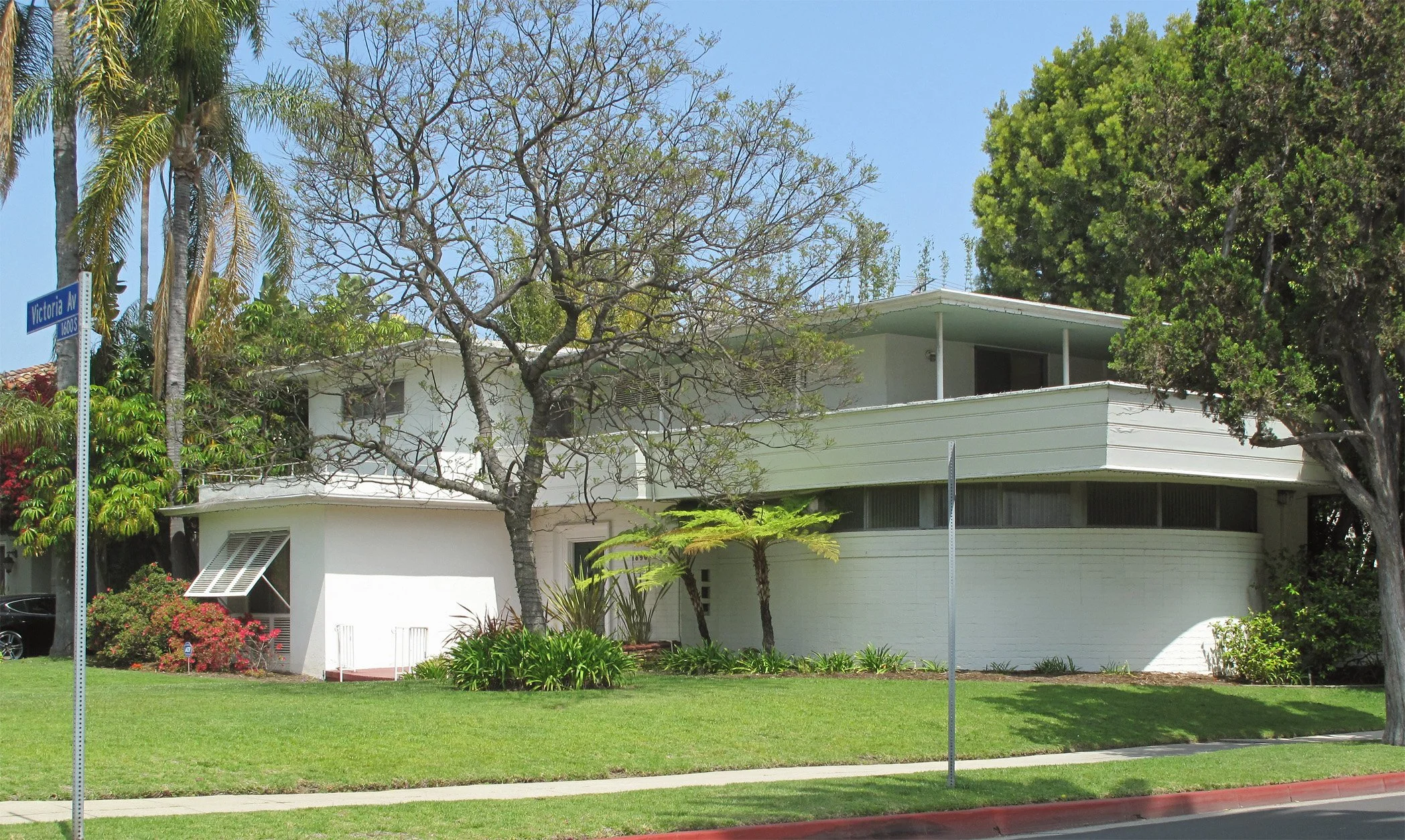
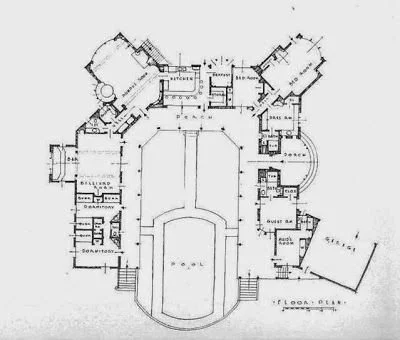
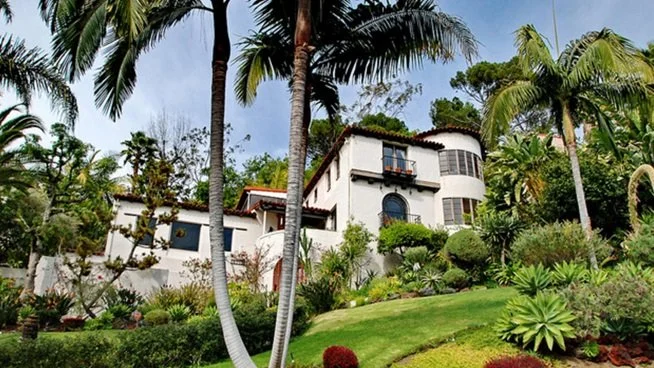
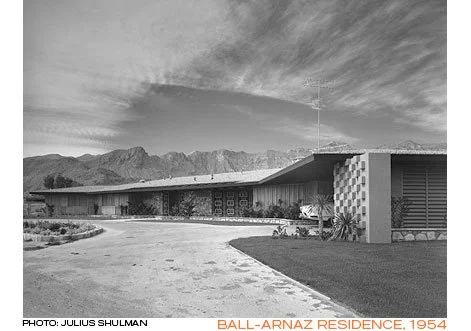
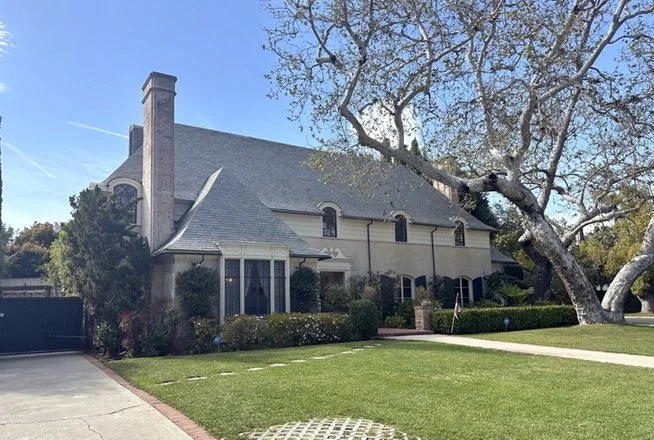
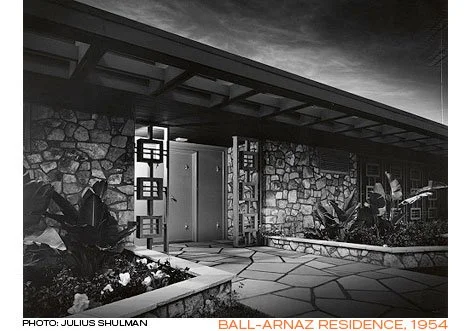
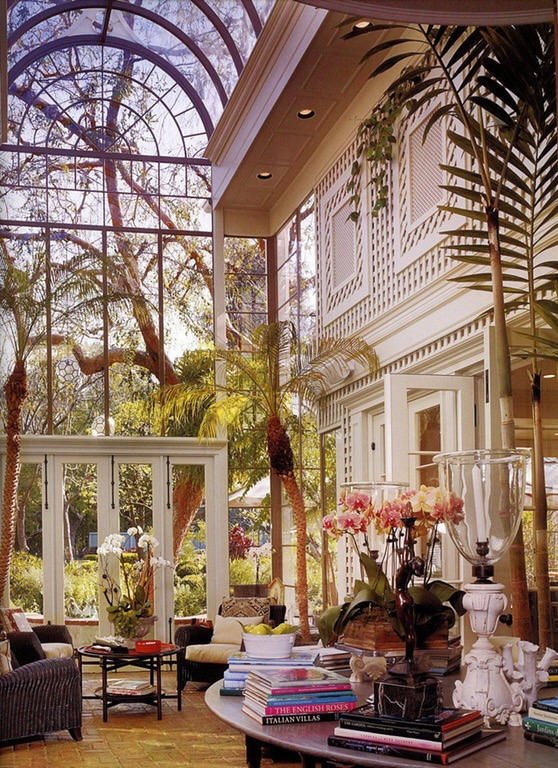
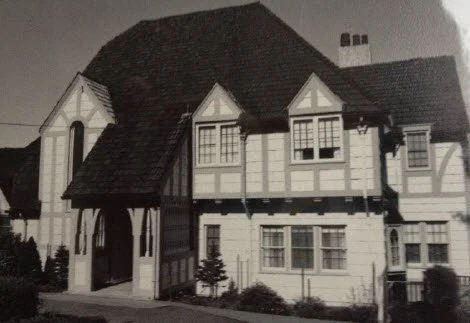
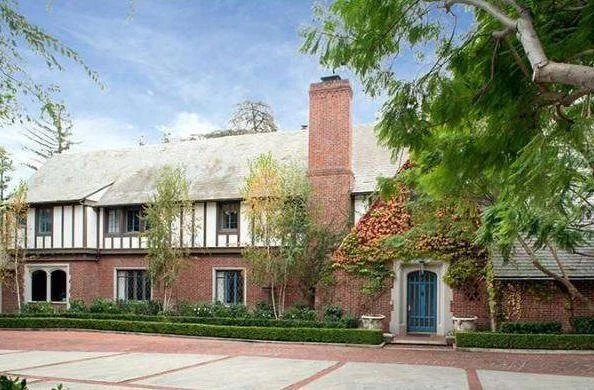
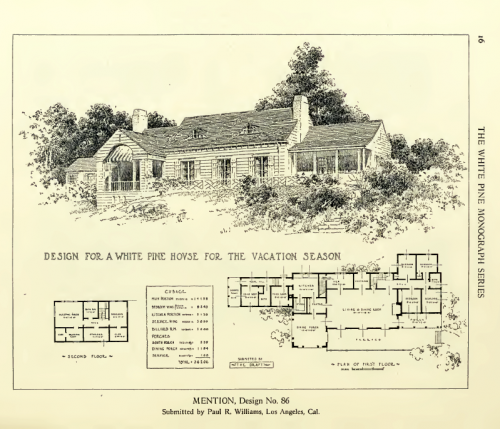
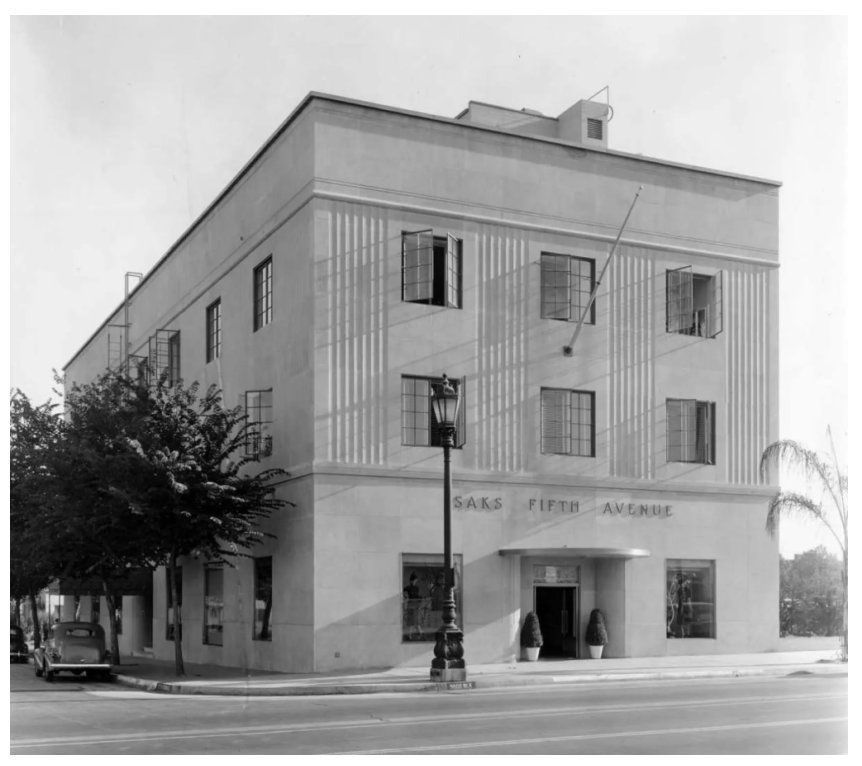
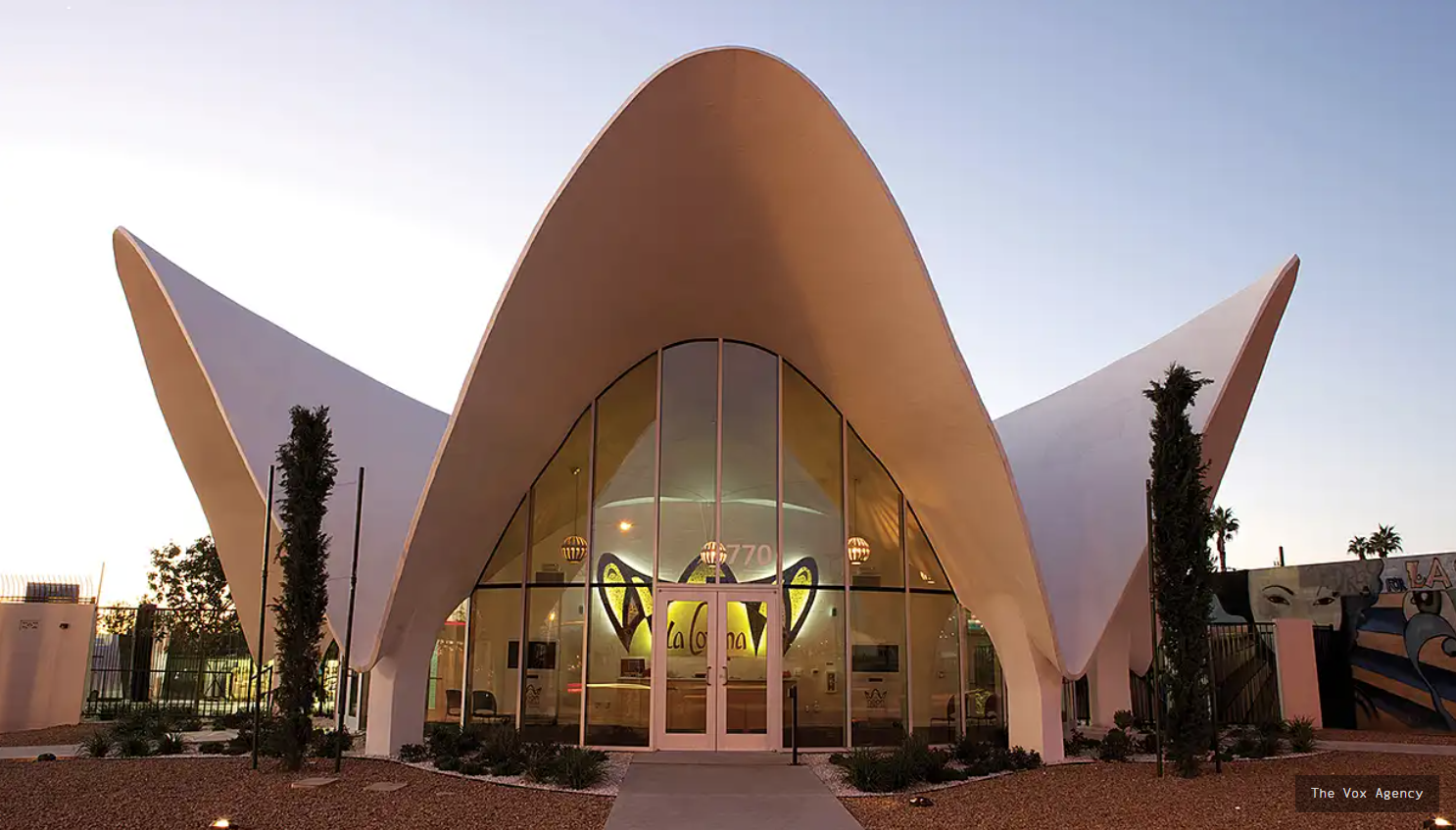
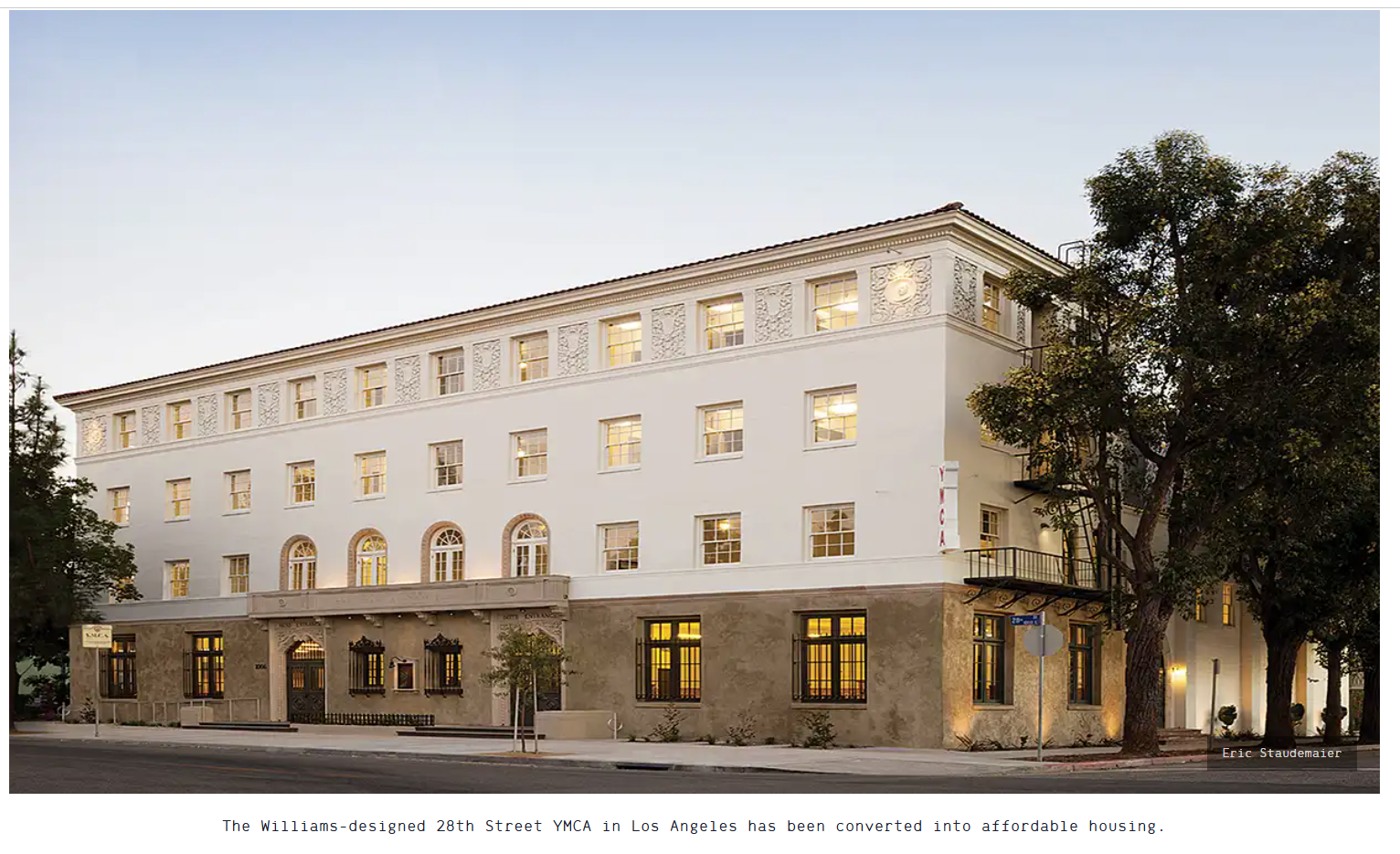
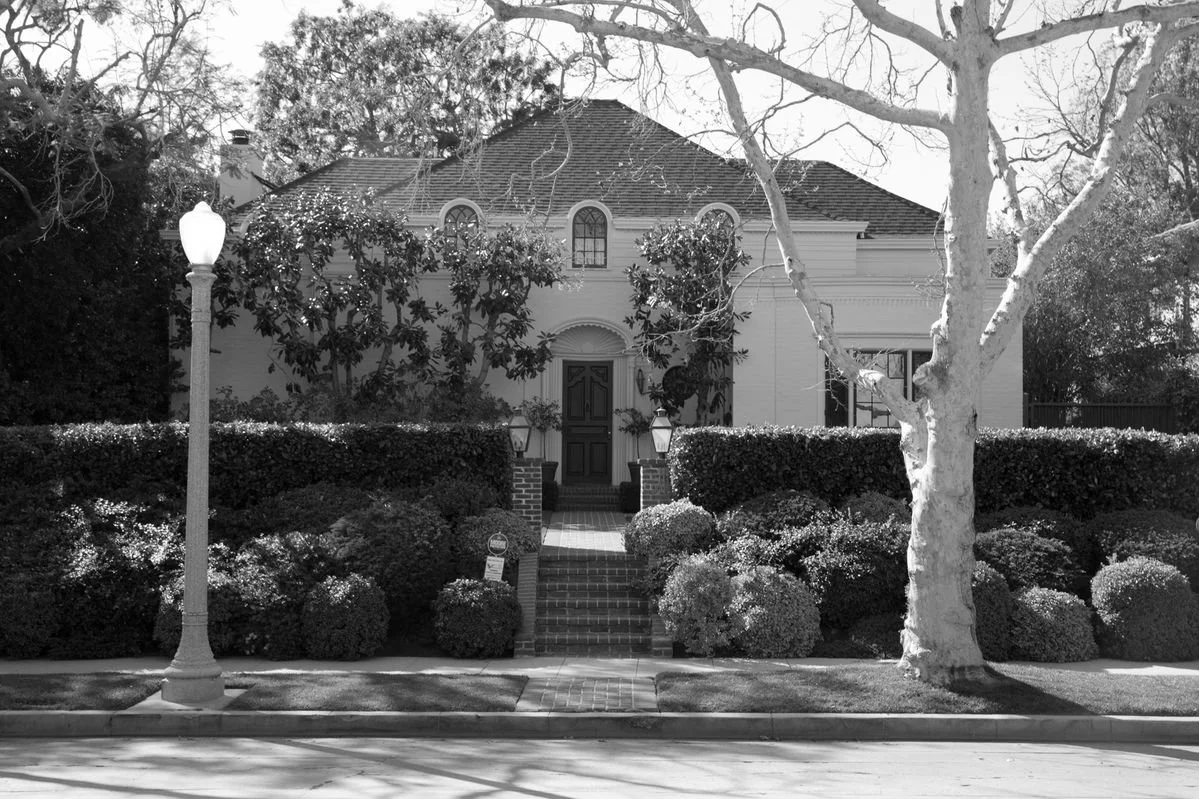
Williams built an extraordinary practice in Los Angeles, designing homes for some of Hollywood's biggest stars — Frank Sinatra, Cary Grant, Lucille Ball, and Lon Chaney among them — as well as landmark civic and commercial buildings. His residential work ranged from modest tract homes to sweeping estates, and he developed a signature ability to work fluidly across styles, from Spanish Colonial Revival and Georgian to the streamlined modernism associated with postwar California living. Among his most recognized public works are the Beverly Hills Hotel renovation, the collaboratively designed Theme Building at LAX, and the headquarters of the Golden State Mutual Life Insurance Company.
Navigating the racial barriers of his era required extraordinary ingenuity and grace. Because he was often unwelcome on the very building sites and in the offices of the clients he served, Williams famously taught himself to draft upside down so he could sketch plans across a desk without requiring a white client to sit beside him — a quietly defiant adaptation that became a hallmark of his professionalism. He designed homes in neighborhoods where he himself was legally barred from living, and he did so with a dignity and excellence that earned him broad respect even within a deeply segregated industry.
Williams received the AIA's highest honor, the AIA Gold Medal, posthumously in 2017, becoming the first African American architect to receive the award. His legacy has experienced a powerful revival in recent decades, with scholars, preservationists, and a new generation of architects recognizing him not only as a master of his craft but as a figure of remarkable resilience and cultural significance. The Paul R. Williams Project, founded by his granddaughter Karen Hudson, continues to document and celebrate his life and work.