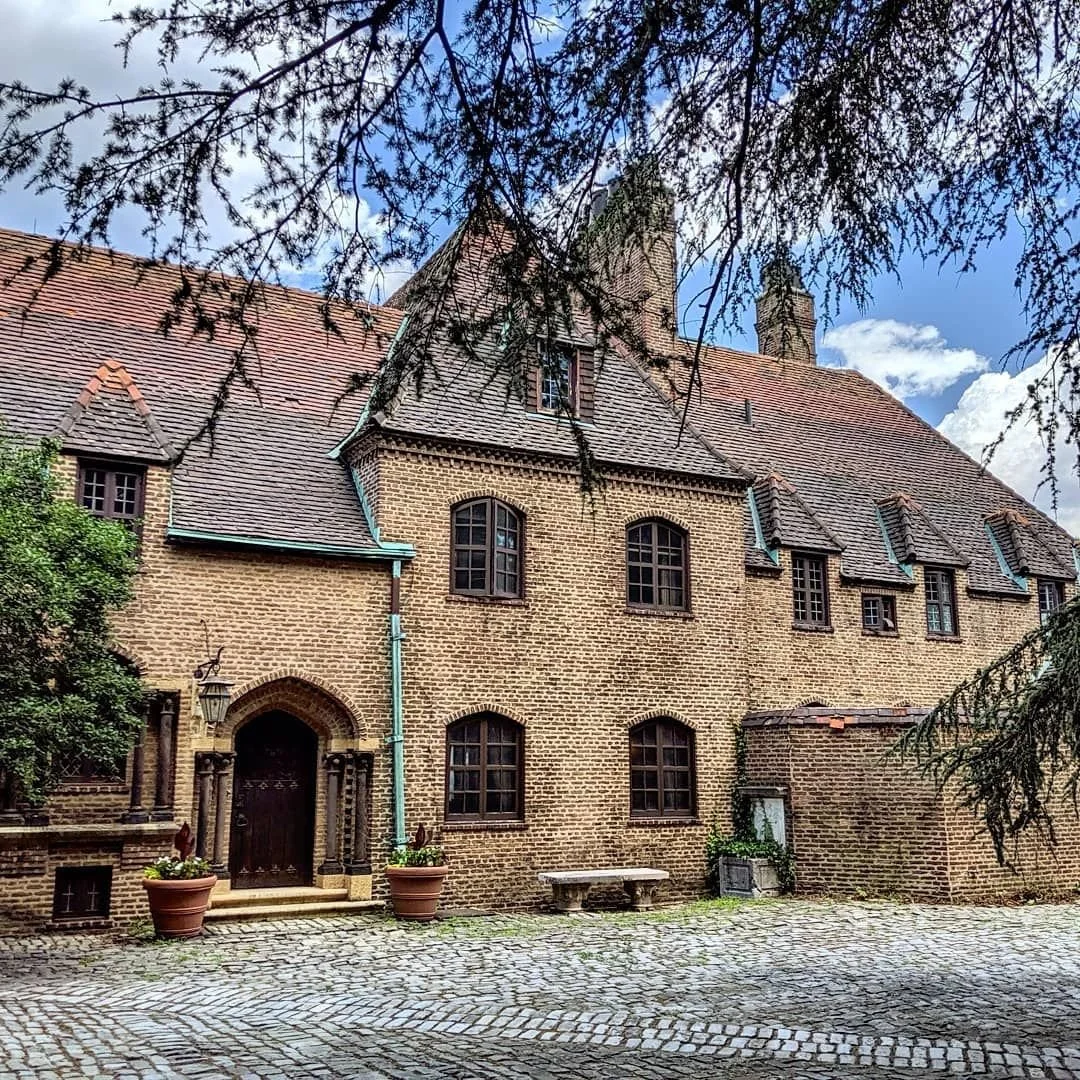
Polhemus & Coffin
Polhemus & Coffin was a New York-based architectural firm whose work became closely associated with the taste of wealthy Northeastern American clients during the interwar period. Lewis Augustus Coffin, Jr., born in 1892, graduated from the Choate School and went on to attend Columbia University, earning his Certificate in Architecture in 1914. He began a solo career in 1917 and then in 1919 joined Henry Polhemus as partner to form Polhemus & Coffin. Both Polhemus and Coffin studied architecture at Columbia University, and the firm maintained offices in midtown Manhattan. Coffin expressed a deep affinity and passion for French country structures, and the two principals traveled to France numerous times for research and to survey examples for their book. Wikipedia + 2
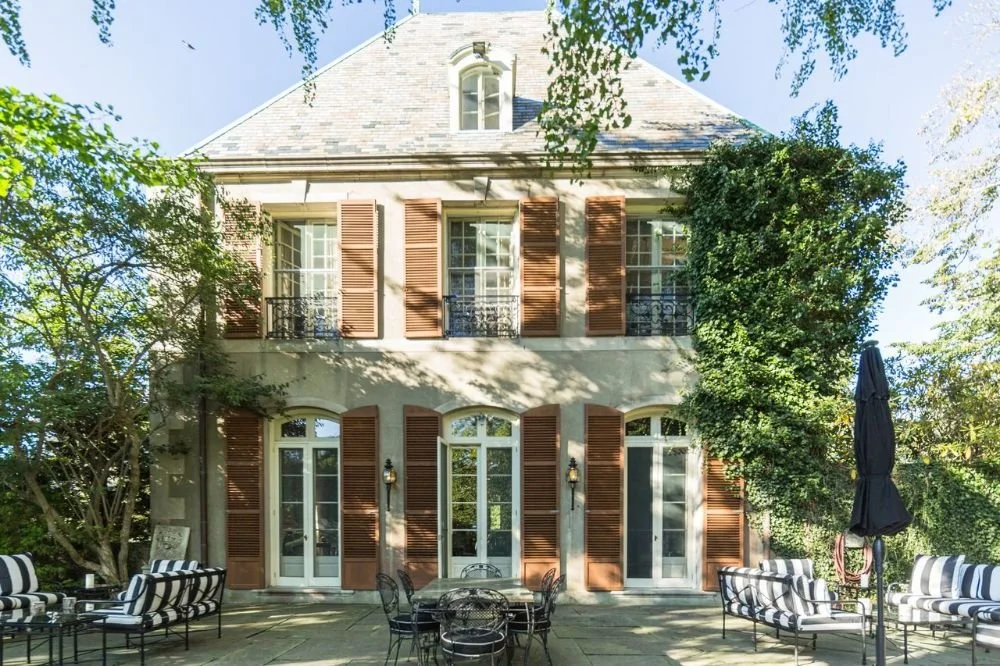
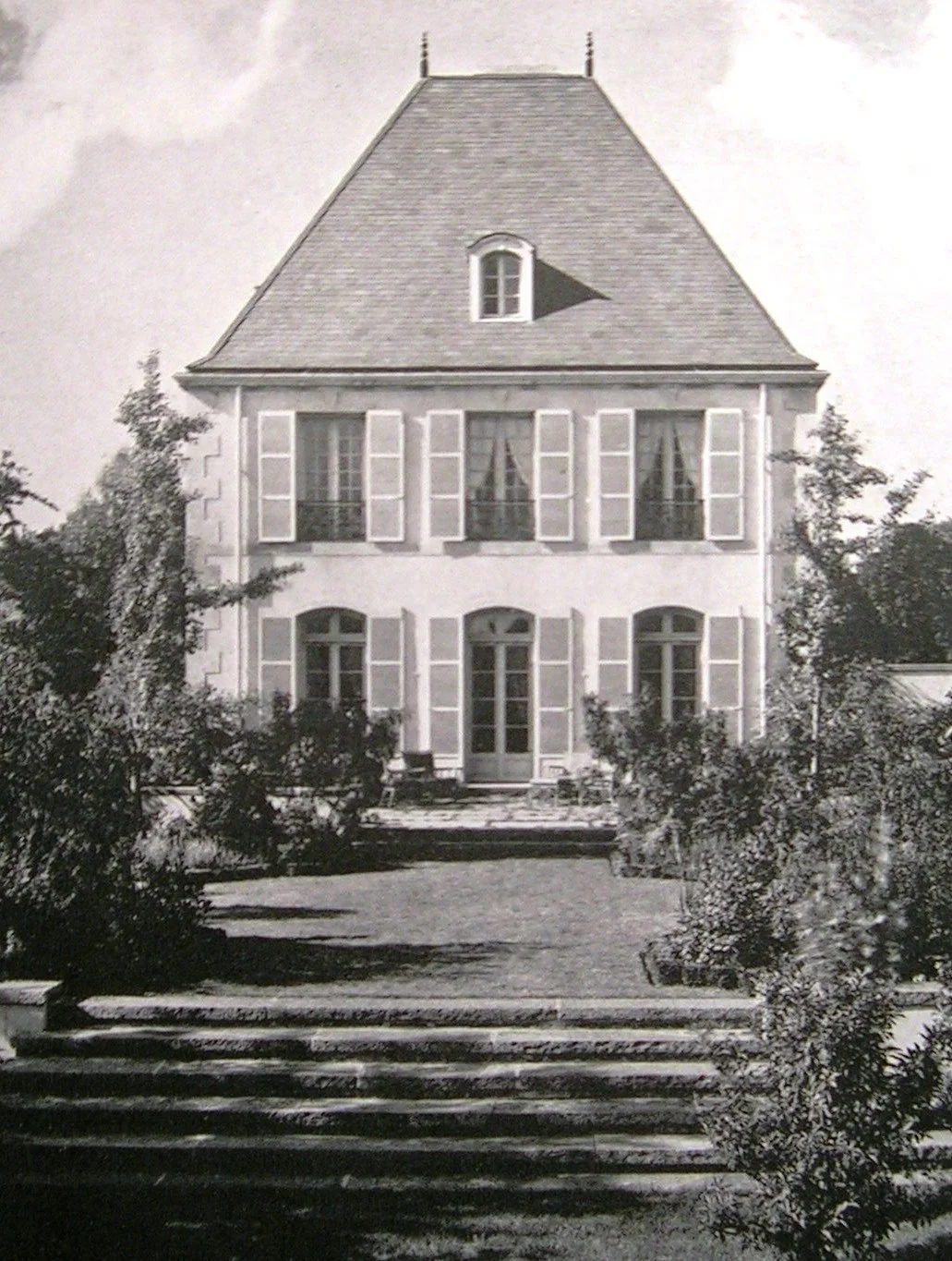
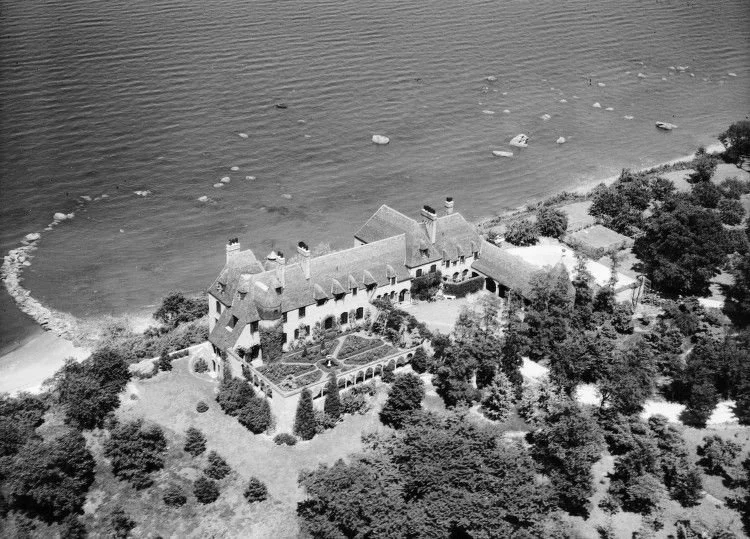
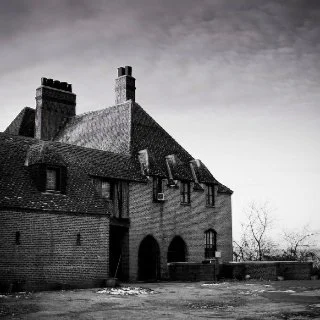
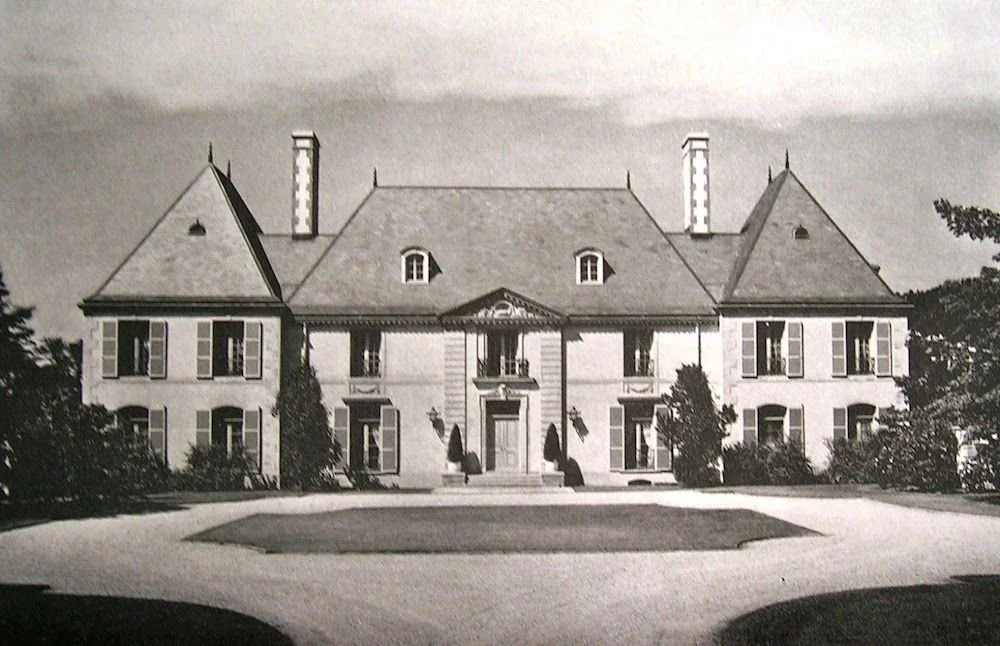
The firm was known for its influence on the French Revivalist and French Eclectic and Colonial popularity surge during the 1920s and 1930s. Among their most celebrated Long Island commissions was Mille-Fleurs, a French country manor designed for Mrs. Daniel Guggenheim on the Gould-Guggenheim estate in Port Washington, completed in 1932 and modeled on the vineyard Château Beauregard in Pomerol. Further projects included residences for the broader Guggenheim family circle, the Roger and Gladys Straus residence, a Vanderhoef residence at Sea Island, Georgia, and the Helmsley residence in New York City. Their scholarly engagement with French vernacular architecture was codified in their publication Small French Buildings: The Architecture of Town and Country, containing 183 plates of sketches, illustrations, and photographs, published by Charles Scribner & Sons in 1921. The firm also produced numerous houses in Connecticut, Long Island, New Jersey, Pennsylvania, and upstate New York. Flickr + 4
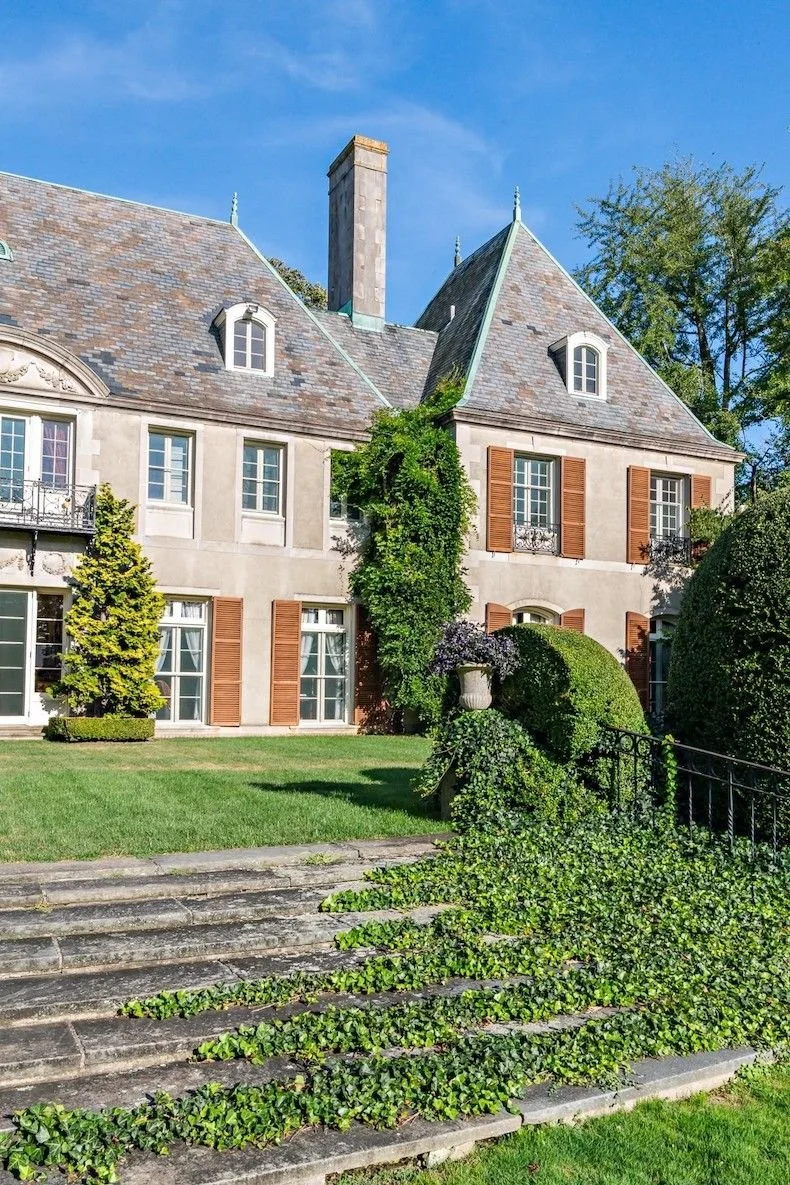
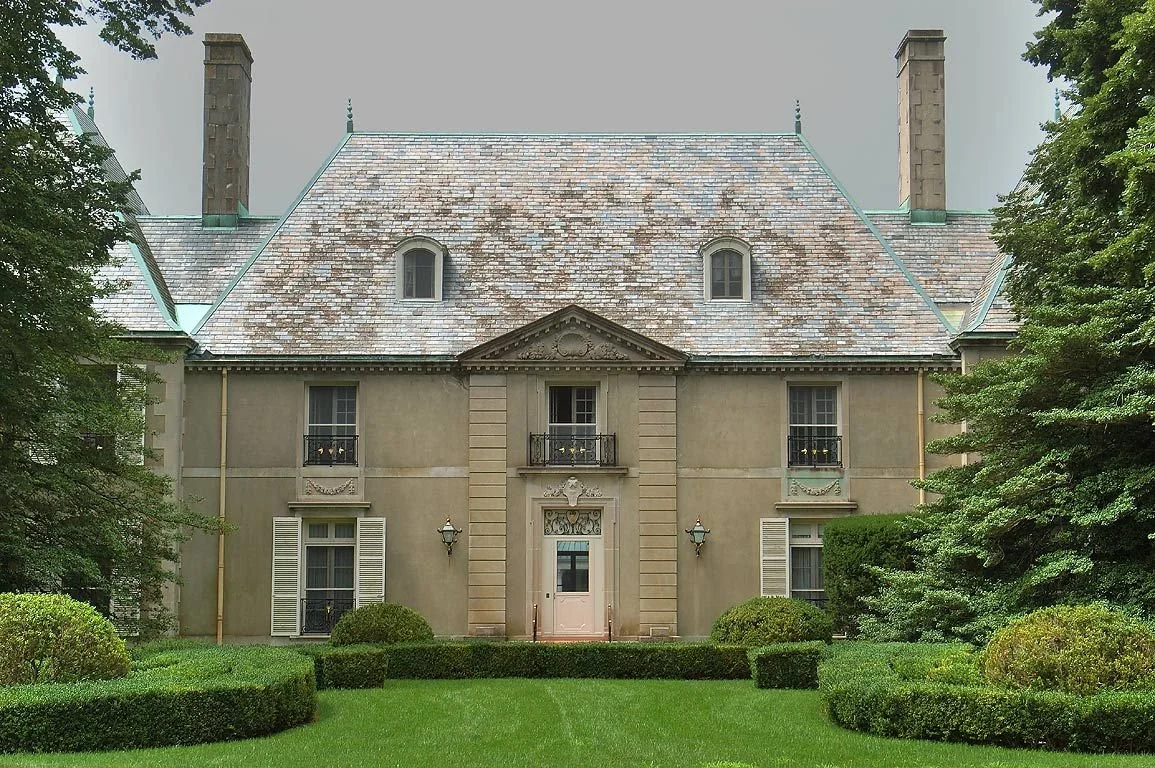
Among the firm's most celebrated works is Champ Soleil, built in 1929 for Lucy Drexel Dahlgren — the granddaughter of Joseph W. Drexel of Drexel & Company — on Bellevue Avenue, Newport's most fashionable street, and one of the last great houses to be erected towards the end of Newport's golden age. Sources disagree on whether or not Champ Soleil was modeled on the French Norman chateau La Lanterne near Versailles, though the connection is widely cited. Sited on 5.5 acres behind wrought-iron gates, the estate is a composed and elegant exercise in the French Norman manner, with formal gardens, expansive terraces, and a carriage house completing the ensemble. The second owners, Roberta and Robert Goelet, had the house enlarged and decorated by the celebrated French firm Maison Jansen. Champ Soleil remains one of the last great estate houses built on Bellevue Avenue and a testament to the firm's mastery of the French country house tradition transplanted to American soil. Mansionsofthegildedage + 2
Lewis Coffin died in 1963 in New York City. Though Polhemus & Coffin never achieved the canonical status of contemporaries like Delano & Aldrich or Horace Trumbauer, their work represents one of the most accomplished and consistent bodies of country house architecture produced in America during the interwar period — refined, deeply researched, and rooted in a genuine love of French architectural tradition. Wikipedia